
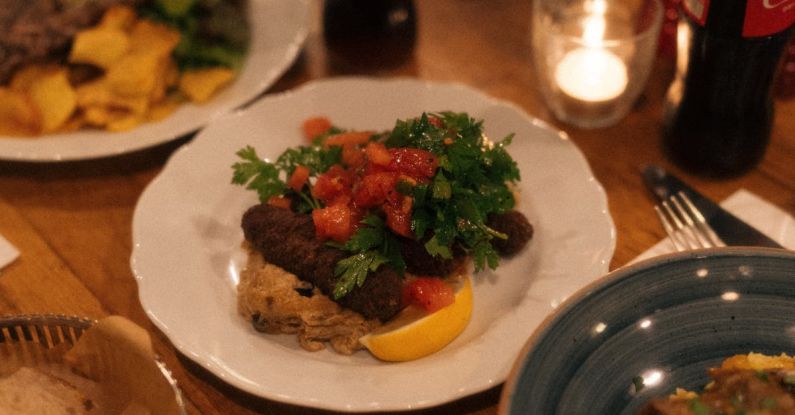
Global celebrations are a vibrant tapestry of traditions, colors, and flavors that bring people together in joyful unity. One of the most delightful aspects of these celebrations is the array of iconic dishes that play a central role in the festivities. From street festivals to religious ceremonies, these dishes are not just food but a reflection of cultural identity and heritage. Let’s explore some of the most iconic dishes from global celebrations that have captivated the taste buds of millions around the world.
**Paella – Spain**
The lively and colorful celebrations of Spain are incomplete without a steaming plate of paella. This iconic dish hails from the region of Valencia and has become synonymous with Spanish culture. Made with a flavorful combination of saffron-infused rice, vegetables, seafood, and meats such as chicken and rabbit, paella is a feast for the senses. The communal aspect of cooking and sharing a large paella pan adds to the festive spirit of gatherings, making it a staple dish in Spanish festivals like La Tomatina and Las Fallas.
**Mooncakes – China**
In China, the Mid-Autumn Festival is a time of familial reunion and moon-watching, accompanied by the consumption of mooncakes. These round pastries are filled with sweet lotus seed paste or red bean paste and often contain a salted egg yolk in the center, symbolizing the full moon. Mooncakes are exchanged as gifts among family and friends during the festival, representing unity and harmony. The intricate designs and flavors of mooncakes vary across different regions of China, adding to the richness of this traditional delicacy.
**Pavlova – Australia and New Zealand**
A dessert that has become an integral part of festive celebrations in Australia and New Zealand is the pavlova. Named after the Russian ballerina Anna Pavlova, this meringue-based dessert is characterized by a crisp outer shell and a soft, marshmallow-like center. Topped with fresh whipped cream and an assortment of fruits such as kiwifruit, berries, and passionfruit, pavlova is a light and refreshing treat perfect for warm-weather gatherings. Whether served at a Christmas barbecue or a summer picnic, pavlova is a beloved dessert that brings a touch of elegance to the festivities.
**Tamales – Mexico**
In Mexico, the tradition of making tamales during holidays and special occasions dates back centuries. These savory parcels consist of masa (corn dough) filled with a variety of ingredients such as meats, cheeses, chilies, and vegetables, then wrapped in corn husks or banana leaves and steamed to perfection. Tamales are labor-intensive to prepare, often requiring the participation of family members or communities, making them a symbol of unity and shared cultural heritage. Whether enjoyed during Dia de los Muertos or Christmas celebrations, tamales hold a special place in Mexican culinary traditions.
**Haggis – Scotland**
A dish that takes center stage during Scottish celebrations like Burns Night is haggis. This traditional Scottish delicacy consists of minced sheep’s heart, liver, and lungs mixed with oatmeal, onions, suet, and spices, all encased in a sheep’s stomach and simmered until tender. While the ingredients may sound unconventional to some, haggis is a beloved symbol of Scottish identity and pride, often accompanied by neeps (mashed turnips) and tatties (mashed potatoes). The ritual of reciting Robert Burns’ “Address to a Haggis” before serving adds a touch of ceremony to the festivities, making haggis a cherished dish in Scottish culture.
**In Conclusion**
Global celebrations offer a window into the diverse culinary traditions that enrich our world, showcasing the creativity, flavors, and stories that define different cultures. From the aromatic spices of paella in Spain to the sweet indulgence of mooncakes in China, each iconic dish carries with it a legacy of history and heritage that resonates in the hearts and palates of those who partake in these festive feasts. As we come together to celebrate occasions big and small, let us savor the flavors of these iconic dishes and appreciate the cultural connections they symbolize.