
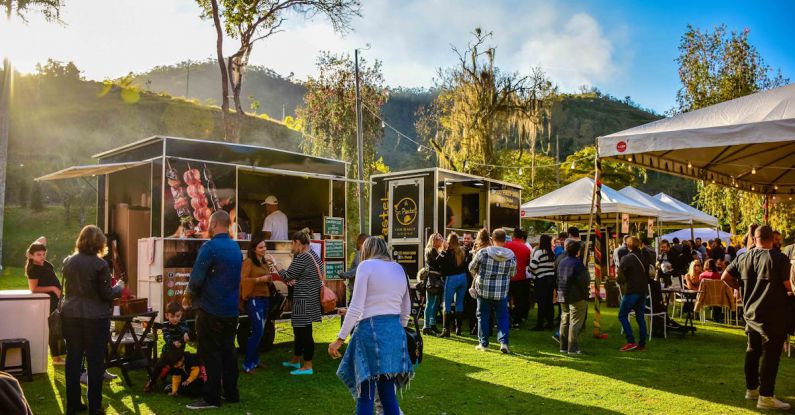
Amidst the bustling streets of cities worldwide, food carts have become a common sight, offering quick and convenient meals to passersby. But beyond their convenience, are these humble food carts pioneering sustainable eating practices? Let’s delve into the world of food carts and explore their impact on sustainability.
**The Rise of Food Carts**
Food carts have a long history, dating back to ancient civilizations where street vendors would sell their goods to locals and travelers. Fast forward to the modern-day, and food carts have evolved into a thriving industry, offering a diverse array of cuisines to cater to different tastes and preferences.
**Local Sourcing and Seasonal Ingredients**
One of the key ways in which food carts are contributing to sustainable eating practices is through their emphasis on local sourcing and seasonal ingredients. Many food cart owners prioritize sourcing their ingredients from local farmers and producers, reducing the carbon footprint associated with transportation and supporting local economies.
By utilizing seasonal ingredients, food carts are able to offer fresh and flavorful dishes that are in harmony with the natural growing cycles of produce. This not only enhances the taste of the food but also reduces the need for energy-intensive storage and transportation methods.
**Reducing Food Waste**
Food waste is a significant issue in the food industry, with tons of perfectly edible food being discarded each year. Food carts, with their limited storage space and focus on serving fresh meals, are in a unique position to minimize food waste. Unlike traditional restaurants that often prepare large quantities of food in advance, food carts typically operate on a made-to-order basis, ensuring that food is served fresh and reducing the likelihood of leftovers being thrown away.
**Packaging and Waste Reduction**
In addition to minimizing food waste, food carts are also making strides in reducing packaging waste. Many food cart owners are opting for eco-friendly packaging options such as compostable containers and utensils, as well as encouraging customers to bring their own reusable containers. This simple yet effective measure helps to reduce the environmental impact of single-use plastics and other non-biodegradable materials.
**Community Engagement and Education**
Beyond their role as purveyors of delicious meals, food carts are also fostering community engagement and education around sustainable eating practices. Many food cart owners are passionate about sharing their knowledge of local ingredients, cooking techniques, and the importance of supporting small-scale producers. This direct interaction with customers provides an opportunity to raise awareness about the benefits of sustainable eating and inspire individuals to make more conscious food choices.
**Embracing Innovation**
Food carts are not only embracing traditional sustainable practices but also exploring innovative solutions to further reduce their environmental impact. From solar-powered carts to mobile composting systems, food cart owners are constantly seeking ways to operate more sustainably and inspire others in the industry to follow suit.
**In Conclusion: A Greener Future Ahead**
As we navigate the challenges of a rapidly changing world, the role of food carts in pioneering sustainable eating practices is more important than ever. By prioritizing local sourcing, reducing food waste, and engaging with their communities, food carts are setting a positive example for the food industry as a whole. With their nimble and adaptable nature, food carts have the potential to lead the way towards a greener and more sustainable future for all.