
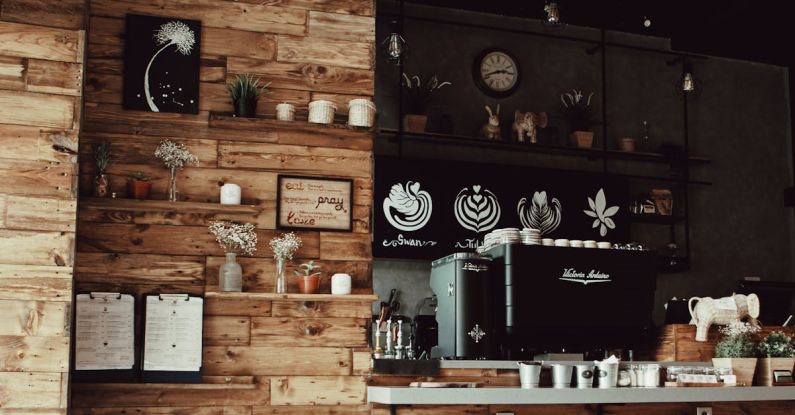
In the hustle and bustle of modern society, coffee shops have become more than just places to grab a quick caffeine fix. These establishments have evolved into vibrant hubs of social interaction, creativity, and community engagement. But can these cozy corners of aroma and warmth really influence the dynamics of the local community? Let’s delve into the impact that coffee shops can have on shaping the social fabric of neighborhoods and towns.
The Social Magnet: Bringing People Together
Coffee shops serve as social magnets, attracting individuals from various walks of life to come together and connect over a shared love for coffee and conversation. The inviting ambiance of a coffee shop creates a welcoming environment where patrons can engage in meaningful interactions, forge new friendships, and strengthen existing bonds. These spaces often serve as neutral grounds where people can engage in discussions, debates, or simply enjoy each other’s company.
Moreover, coffee shops provide a platform for community members to exchange ideas, share experiences, and collaborate on projects. Whether it’s a group of students working on a school project, local artists showcasing their work, or entrepreneurs brainstorming new business ideas, coffee shops serve as catalysts for creativity and innovation within the community.
Fueling Local Economy and Entrepreneurship
Beyond being social hubs, coffee shops play a significant role in fueling the local economy and supporting entrepreneurship. By providing a platform for aspiring entrepreneurs to launch their coffee businesses, these establishments contribute to the diversification of the local economy. Additionally, coffee shops often source their products locally, supporting farmers and producers in the region.
Furthermore, the presence of a thriving coffee shop scene can attract other businesses to the area, creating a domino effect of economic growth and development. As coffee shops draw in foot traffic and create a buzz in the neighborhood, they help stimulate economic activity and enhance the overall vibrancy of the community.
Cultural Exchange and Diversity
Coffee shops are not just places to grab a quick cup of joe; they are also spaces where cultural exchange and diversity thrive. These establishments often showcase a variety of coffee beans sourced from different regions around the world, offering patrons a taste of global cultures right in their own neighborhood.
Moreover, coffee shops often host events such as open mic nights, art exhibitions, and cultural festivals, creating opportunities for community members to celebrate diversity and cultural heritage. By fostering a sense of inclusivity and acceptance, coffee shops contribute to building a more cohesive and harmonious community.
The Power of Social Impact
In addition to their economic and cultural contributions, coffee shops also have the power to drive positive social impact within the community. Many coffee shops today prioritize sustainability, ethical sourcing practices, and community engagement initiatives.
By partnering with local charities, organizing fundraisers, or supporting social causes, coffee shops can leverage their platform to make a difference in the lives of those in need. Whether it’s donating a percentage of sales to a local charity or hosting a community cleanup event, coffee shops have the potential to be powerful agents of change within the community.
A Steaming Cup of Change
As we sip on our steaming cups of coffee in our favorite neighborhood coffee shop, it’s clear that these establishments hold more power than just brewing a good cup of coffee. From fostering social connections and fueling entrepreneurship to promoting cultural exchange and driving social impact, coffee shops can indeed influence the dynamics of the local community in profound ways. So, the next time you step into a coffee shop, remember that you’re not just entering a space for caffeine; you’re stepping into a hub of community dynamics and social transformation.