
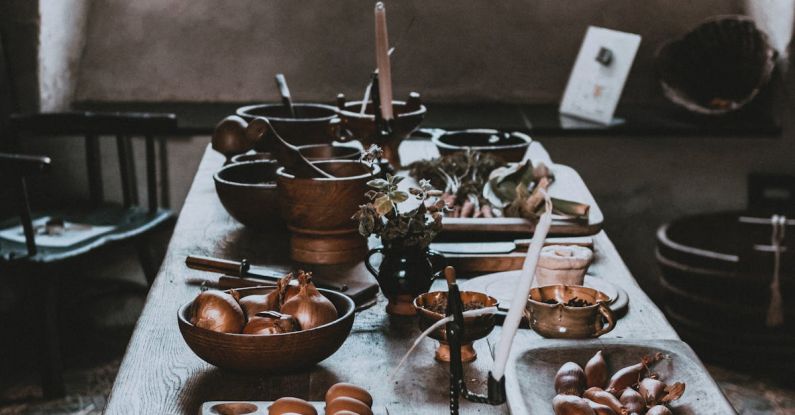
Preserving Heritage Cuisine Through Home-cooked Meals
In today’s fast-paced world, where convenience often takes precedence over tradition, the art of home-cooked meals plays a vital role in preserving heritage cuisine. The flavors, techniques, and stories passed down through generations can find their true essence when lovingly prepared in the comfort of one’s own kitchen. As we navigate a global culinary landscape dominated by fast food and fusion dishes, the question arises: can home-cooked meals help safeguard and celebrate our rich culinary heritage?
Preserving Authentic Flavors
One of the most compelling arguments for the preservation of heritage cuisine through home-cooked meals is the retention of authentic flavors. Traditional recipes handed down from ancestors often contain unique spice blends, cooking methods, and ingredient combinations that are integral to a culture’s culinary identity. By preparing these dishes at home, individuals can ensure that these flavors remain true to their origins, free from the commercialization and mass production that can dilute their essence.
Furthermore, home-cooked meals allow for a deeper connection to the ingredients themselves. Sourcing fresh, locally grown produce and spices not only enhances the flavor of the dish but also supports sustainable agricultural practices. This conscious approach to cooking not only benefits the environment but also serves as a tribute to the agricultural traditions that have sustained communities for centuries.
Preserving Culinary Traditions
Beyond the flavors and ingredients, home-cooked meals play a significant role in preserving culinary traditions. The act of preparing a traditional dish can serve as a link to the past, connecting individuals to their cultural heritage and familial roots. Whether following a handwritten recipe passed down through generations or recreating a dish learned from a grandparent, the kitchen becomes a space where stories are shared, memories are made, and traditions are honored.
Moreover, home-cooked meals offer an opportunity for intergenerational learning. Children watching their parents or grandparents cook traditional dishes not only gain valuable culinary skills but also develop a sense of pride and appreciation for their cultural heritage. These shared experiences create lasting memories and strengthen family bonds, ensuring that culinary traditions continue to be passed down to future generations.
Preserving Cultural Identity
In a globalized world where culinary boundaries are constantly being blurred, home-cooked meals serve as a powerful tool for preserving cultural identity. By celebrating and sharing traditional dishes within their communities, individuals can assert their cultural pride and resist the homogenizing forces of mass-produced food. Through food, people can express their unique heritage, values, and beliefs, fostering a sense of belonging and unity among diverse populations.
Furthermore, home-cooked meals can act as a form of cultural diplomacy, offering a glimpse into the traditions and customs of different communities. By inviting others to share in their culinary heritage, individuals can promote cross-cultural understanding and appreciation, breaking down barriers and fostering a sense of connection and mutual respect.
Preserving Heritage Cuisine: A Delicious Journey
In conclusion, the preservation of heritage cuisine through home-cooked meals is not just about food; it is a celebration of identity, tradition, and community. By embracing traditional recipes, flavors, and cooking techniques, individuals can keep alive the culinary legacies of their ancestors and ensure that future generations continue to savor the rich tapestry of flavors that define their cultural heritage. So, next time you step into the kitchen to prepare a beloved family recipe, remember that you are not just cooking a meal; you are preserving a piece of history and sharing a taste of tradition with the world.