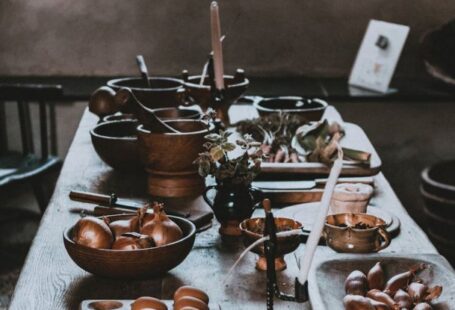

In an era dominated by food trends, quick recipes, and fusion cuisines, the question arises: can old-world recipes find a place in the modern kitchen? The culinary world is ever-evolving, with new techniques and ingredients constantly entering the spotlight. However, there is something timeless and comforting about traditional recipes that have been passed down through generations. Let’s explore the role of old-world recipes in today’s modern kitchen and how they can still hold their own amidst the fast-paced culinary landscape.
Preserving Culinary Heritage
Old-world recipes are more than just instructions for creating a meal; they are a gateway to our culinary heritage. These recipes often carry with them stories of our ancestors, cultural traditions, and the flavors of a bygone era. In a world where globalization has made it easier to access a wide variety of cuisines, old-world recipes serve as a valuable link to our roots. They offer a sense of nostalgia and connection to the past that is often missing in modern cooking.
Embracing Slow Food Movement
The slow food movement, which emphasizes the use of fresh, locally sourced ingredients and traditional cooking methods, has gained traction in recent years. Old-world recipes align perfectly with the principles of the slow food movement, as they often require time, patience, and attention to detail. By embracing these recipes, home cooks can not only create delicious meals but also support sustainable agriculture and preserve culinary traditions that are at risk of being forgotten.
Rediscovering Forgotten Flavors
One of the most compelling reasons to incorporate old-world recipes into the modern kitchen is the opportunity to rediscover forgotten flavors. Many traditional recipes make use of ingredients and flavor combinations that are no longer as commonly used in contemporary cooking. By dusting off old cookbooks and trying out these recipes, home cooks can experience a whole new world of tastes and textures that may have been lost to time. From homemade preserves to slow-cooked stews, old-world recipes have the power to surprise and delight our taste buds in ways that modern dishes often cannot.
Adapting to Modern Lifestyles
While old-world recipes may have a reputation for being time-consuming and labor-intensive, they can be adapted to suit modern lifestyles. With the help of kitchen gadgets like slow cookers, pressure cookers, and food processors, many traditional recipes can be simplified and streamlined without sacrificing flavor. By making small adjustments to cooking methods or ingredient choices, home cooks can enjoy the best of both worlds: the rich, authentic flavors of old-world recipes with the convenience of modern cooking techniques.
Celebrating Diversity in the Kitchen
Old-world recipes come from a wide range of culinary traditions and regions, each with its own unique flavors and techniques. By incorporating these recipes into our cooking repertoire, we can celebrate the diversity of cuisine that exists around the world. Whether it’s Italian pasta dishes, Indian curries, or Mexican tamales, old-world recipes allow us to explore different cultures through the universal language of food. In a time when cultural exchange is more important than ever, cooking and sharing old-world recipes can be a powerful way to promote understanding and appreciation for diverse culinary traditions.
Embracing the Past to Enrich the Future
In conclusion, old-world recipes have a valuable place in the modern kitchen for their ability to preserve culinary heritage, embrace the slow food movement, rediscover forgotten flavors, adapt to modern lifestyles, and celebrate diversity. While the culinary world may continue to evolve, there will always be a place for the comforting familiarity and rich history that old-world recipes bring to our tables. So next time you’re in the kitchen, consider dusting off that old family cookbook or trying out a recipe from a different culture. You may just find that the flavors of the past have a special place in shaping the future of your culinary adventures.