In recent years, there has been a growing interest in traditional Asian cooking methods among Western home cooks. The allure of these techniques lies in their ability to infuse dishes with unique flavors and textures that are not commonly found in Western cuisine. However, many home cooks are hesitant to try these methods in their own kitchens, fearing that they may be too complex or require specialized equipment. In this article, we will explore whether traditional Asian cooking methods can be adapted to Western kitchens, and how home cooks can incorporate these techniques into their everyday cooking repertoire.
Embracing the Wok: A Versatile Cooking Tool
One of the most iconic tools in Asian cuisine is the wok. This round-bottomed cooking vessel is used for a variety of cooking techniques, including stir-frying, steaming, and deep-frying. While traditionally used over a high heat flame, woks can easily be adapted for use on Western stovetops by using a wok ring or a flat-bottomed wok. The shape of the wok allows for even heat distribution, making it ideal for quick and efficient cooking.
Stir-frying, in particular, is a popular cooking method that can easily be incorporated into Western kitchens. By using a wok and high heat, home cooks can quickly cook vegetables, meats, and seafood, while maintaining their natural flavors and textures. The key to successful stir-frying is to ensure that all ingredients are cut uniformly and cooked at a high temperature for a short amount of time. This method not only preserves the nutritional value of the ingredients but also results in dishes that are vibrant and full of flavor.
Steaming for Health and Flavor
Steaming is another traditional Asian cooking method that is gaining popularity in Western kitchens. Unlike boiling or frying, steaming retains the natural flavors and nutrients of the ingredients, making it a healthy and flavorful cooking technique. In Asian cuisine, bamboo steamers are often used to steam fish, dumplings, and vegetables. However, Western home cooks can achieve similar results using a metal or silicone steamer basket placed over a pot of boiling water.
Steaming is a versatile cooking method that can be used for a wide range of dishes, from simple vegetables to more complex seafood and meat preparations. By incorporating steaming into their cooking repertoire, home cooks can create dishes that are light, flavorful, and nutritious. Additionally, steaming is a gentle cooking technique that is forgiving to beginners, making it an ideal method for those looking to experiment with traditional Asian cooking techniques.
Balancing Flavors with Umami-Rich Ingredients
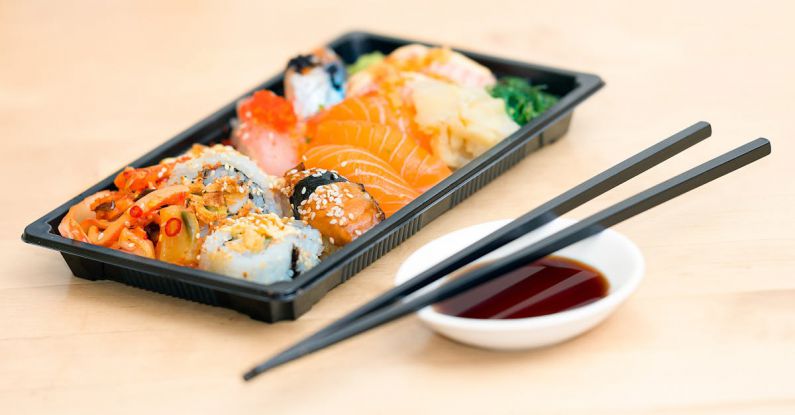
One of the hallmarks of Asian cuisine is its complex and balanced flavors, often achieved through the use of umami-rich ingredients such as soy sauce, fish sauce, miso, and seaweed. Umami, the fifth basic taste, adds depth and complexity to dishes, elevating them beyond simple salty, sweet, sour, and bitter flavors. Home cooks can easily incorporate umami-rich ingredients into their cooking by using them as marinades, sauces, or seasonings.
For example, soy sauce can be used to marinate meats and add depth to stir-fries, while miso can be used to create rich and flavorful soups and sauces. By experimenting with these umami-rich ingredients, home cooks can elevate their dishes to new heights, creating restaurant-quality meals in their own kitchens. Additionally, incorporating umami-rich ingredients into everyday cooking can help home cooks develop their palate and appreciation for the nuances of flavor.
Embracing Tradition in the Modern Kitchen
In conclusion, traditional Asian cooking methods can indeed be adapted to Western kitchens with some creativity and ingenuity. By embracing tools such as the wok and techniques such as stir-frying and steaming, home cooks can create dishes that are vibrant, flavorful, and nutritious. Additionally, by incorporating umami-rich ingredients into their cooking, home cooks can elevate their dishes to new levels of complexity and depth. With a willingness to experiment and a sense of adventure, home cooks can bring the flavors of Asia into their own kitchens, creating culinary experiences that are both traditional and modern.