
Street food is a culinary phenomenon that has captured the hearts and taste buds of people around the world. From the bustling streets of Bangkok to the vibrant markets of Mexico City, street food vendors whip up flavorful dishes that showcase the unique and diverse ingredients found in their local regions. The essence of street food lies in its simplicity, affordability, and most importantly, its tantalizing flavors that are a direct result of the local ingredients used in each dish.
**Exploring Local Ingredients**
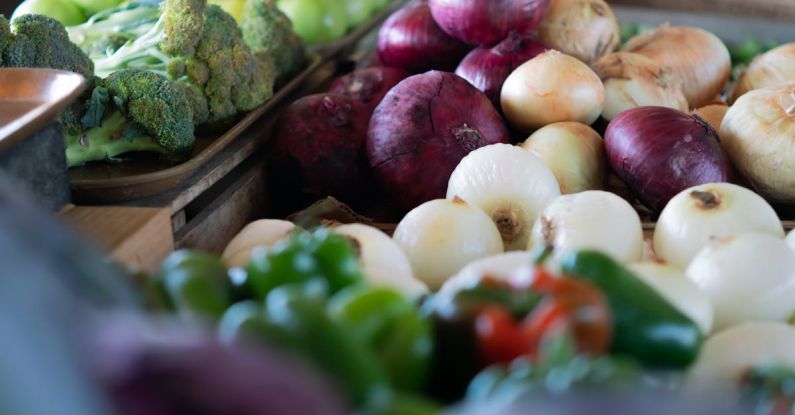
One of the key factors that distinguish street food from other forms of cuisine is the reliance on local ingredients. Street food vendors often source their ingredients from nearby markets, farms, and suppliers, ensuring that their dishes are fresh, seasonal, and reflective of the region’s culinary heritage. Whether it’s the aromatic spices of India, the tropical fruits of Southeast Asia, or the fresh seafood of coastal regions, local ingredients form the backbone of street food flavors.
**Flavor Profiles**
Local ingredients play a crucial role in shaping the flavor profiles of street food dishes. The use of fresh herbs, spices, fruits, and vegetables not only adds depth and complexity to the dishes but also creates a unique sensory experience for the consumer. For example, Thai street food is known for its bold and vibrant flavors, thanks to the liberal use of ingredients like lemongrass, galangal, and kaffir lime leaves. These ingredients not only add fragrance and heat but also contribute to the overall balance of sweet, sour, salty, and spicy flavors that are characteristic of Thai cuisine.
**Seasonal Variations**
Another aspect of local ingredients influencing street food flavors is the seasonal variations that occur throughout the year. Street food vendors often adapt their menus based on what ingredients are in season, ensuring that their dishes are always fresh and flavorful. In the spring, you might find dishes featuring asparagus and artichokes, while in the summer, watermelon and tomatoes take center stage. These seasonal variations not only showcase the diversity of local ingredients but also highlight the culinary creativity of street food vendors who are constantly innovating and experimenting with new flavors.
**Cultural Significance**
Beyond just flavor, local ingredients in street food also carry cultural significance. They are a reflection of the region’s history, traditions, and values, providing a deeper connection to the community and its culinary heritage. For example, the use of corn, beans, and chili peppers in Mexican street food not only adds flavor but also symbolizes the indigenous roots of Mexican cuisine. Similarly, the use of rice, coconut, and spices in Southeast Asian street food dishes pays homage to the region’s agricultural practices and trade routes.
**Adaptation and Fusion**
In today’s globalized world, street food has evolved to incorporate a fusion of flavors from different cultures and regions. Street food vendors are not afraid to experiment with new ingredients and techniques, resulting in innovative dishes that blend traditional flavors with modern twists. This adaptation and fusion of flavors have led to the emergence of food trucks, pop-up stalls, and markets that offer a diverse range of culinary experiences for food enthusiasts around the world.
**Celebrating Diversity**
Ultimately, the influence of local ingredients on street food flavors celebrates the diversity and richness of our culinary landscape. Whether you’re savoring a steaming bowl of pho in Vietnam or indulging in a spicy empanada in Colombia, each bite tells a story of the people, traditions, and ingredients that have shaped that particular dish. Street food is not just about satisfying hunger; it’s about experiencing the vibrant tapestry of flavors that make our world a deliciously diverse place.