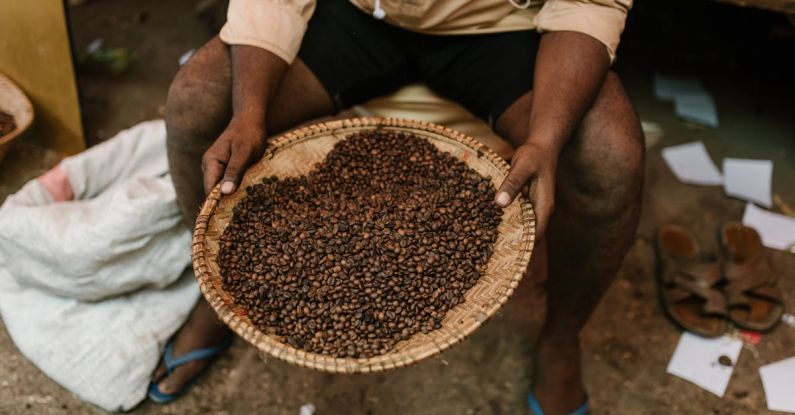
Coffee is one of the most traded commodities in the world, with millions of people consuming it daily. However, the global coffee trade has a significant impact on the farmers who grow this beloved crop. From fluctuating prices to market demands, coffee farmers face a variety of challenges that can affect their livelihoods and well-being.
The Price Volatility Rollercoaster
One of the major ways in which the global coffee trade impacts farmers is through price volatility. Coffee prices are influenced by a myriad of factors, including weather conditions, supply and demand dynamics, and currency fluctuations. This volatility can make it challenging for farmers to predict their income and plan for the future.
When coffee prices are high, farmers may reap substantial profits, allowing them to invest in their farms, improve their livelihoods, and support their families. However, when prices plummet, farmers can face financial hardships, struggling to cover their production costs and make ends meet. This price volatility can create a cycle of uncertainty for coffee farmers, making it difficult for them to achieve financial stability.
The Power of Middlemen
In the global coffee trade, middlemen play a crucial role in connecting farmers with buyers and facilitating transactions. While middlemen can provide valuable services such as transportation and market access, they can also exploit farmers by offering low prices for their coffee. This exploitation can further exacerbate the financial challenges that farmers already face, impacting their ability to earn a fair income for their hard work.
Additionally, middlemen often dictate the terms of trade, leaving farmers with little bargaining power. This lack of control over the selling process can leave farmers vulnerable to exploitation and manipulation, further highlighting the unequal power dynamics within the global coffee trade.
Quality vs. Quantity: The Dilemma for Farmers
In the competitive world of coffee production, farmers often face the dilemma of prioritizing quantity over quality. Many farmers are pressured to increase their yields to meet market demands, sacrificing the quality of their coffee in the process. This emphasis on quantity can lead to the use of harmful agricultural practices, such as excessive pesticide use and deforestation, which can have detrimental effects on the environment and farmers’ health.
On the other hand, farmers who focus on producing high-quality coffee may struggle to find buyers willing to pay premium prices. This disparity in the market can force farmers to compromise on their commitment to sustainable and ethical farming practices in order to survive in a competitive industry. The constant balancing act between quantity and quality can place immense pressure on farmers, affecting not only their livelihoods but also the long-term sustainability of the coffee industry.
The Road Ahead: Empowering Coffee Farmers
Despite the challenges they face, coffee farmers around the world are finding ways to empower themselves and improve their circumstances. Fair trade and direct trade initiatives have emerged as alternative models that aim to ensure farmers receive fair prices for their coffee and have more control over the selling process. By bypassing middlemen and establishing direct relationships with buyers, farmers can secure better prices for their coffee and build more sustainable livelihoods.
In addition to alternative trading models, initiatives that focus on sustainable and ethical farming practices are gaining traction in the coffee industry. By promoting environmentally friendly methods and improving working conditions for farmers, these initiatives seek to create a more equitable and sustainable coffee trade system. Empowering farmers to take control of their businesses and prioritize quality over quantity can help create a more inclusive and fair coffee trade that benefits farmers, consumers, and the environment alike.
In conclusion, the global coffee trade has a profound impact on the farmers who grow this valuable crop. From price volatility and exploitation by middlemen to the dilemma of quantity versus quality, coffee farmers face a range of challenges that can affect their livelihoods and well-being. By supporting fair trade practices, promoting sustainable farming methods, and empowering farmers to take control of their businesses, we can work towards creating a more equitable and sustainable coffee trade system that benefits everyone involved.