Fermentation is a fascinating process that has been utilized for centuries to transform ingredients into delicious and complex flavors. This technique involves the breakdown of sugars by microorganisms such as yeast and bacteria, resulting in the production of various compounds that contribute to the unique taste and aroma of fermented foods and beverages. From tangy sauerkraut to rich red wine, fermentation plays a crucial role in enhancing flavors across a wide range of culinary creations. In this article, we will explore how the technique of fermentation enhances flavors and why it is valued in the world of gastronomy.
The Magic of Microorganisms
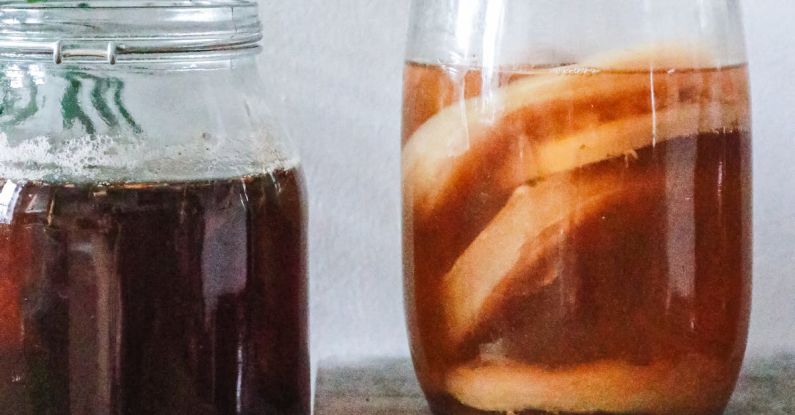
At the heart of fermentation lies the magic of microorganisms. Yeast, bacteria, and other microscopic creatures play a vital role in breaking down sugars and other components present in the ingredients being fermented. Through this process, these microorganisms produce a variety of byproducts, including organic acids, alcohols, and gases, that contribute to the unique flavors and textures of fermented foods and beverages.
**Unlocking Complexity Through Transformation**
One of the key ways in which fermentation enhances flavors is by transforming simple ingredients into complex and nuanced creations. For example, the fermentation of grapes into wine involves the conversion of grape sugars into alcohol by yeast. This transformation not only results in the alcoholic content of the wine but also introduces a myriad of aromatic compounds that give each wine its distinctive flavor profile. Similarly, the fermentation of cabbage into sauerkraut leads to the formation of lactic acid, which imparts a tangy and sour taste to the final product.
**Creating Depth and Umami**
Fermentation is also known for its ability to enhance flavors by creating depth and umami. Umami, often described as the fifth taste after sweet, salty, sour, and bitter, is a savory flavor that adds richness and complexity to dishes. Fermented ingredients such as soy sauce, miso, and fish sauce are rich sources of umami due to the presence of glutamic acid, a compound produced during the fermentation process. This umami-rich quality can elevate the overall taste of a dish and make it more satisfying and flavorful.
**Preservation and Flavor Development**
In addition to enhancing flavors, fermentation also serves as a method of preservation that can extend the shelf life of perishable ingredients. By creating an acidic and inhospitable environment for harmful bacteria, fermentation helps to prevent spoilage and decay while simultaneously developing new and exciting flavors. Foods such as pickles, cheese, and salami owe their longevity and distinctive taste to the process of fermentation, which transforms them into culinary delights that can be enjoyed for weeks, months, or even years.
**Cultural Significance and Culinary Innovation**
Beyond its practical benefits, fermentation holds significant cultural and culinary value in many societies around the world. From Korean kimchi to Japanese sake, fermented foods and beverages are deeply ingrained in the culinary traditions of various cultures, reflecting a long history of innovation and experimentation. The art of fermentation continues to inspire chefs and food enthusiasts to push the boundaries of flavor, leading to the creation of new and exciting culinary experiences that celebrate the diversity and richness of fermented foods.
**Embracing the Art of Fermentation**
In conclusion, the technique of fermentation enhances flavors by harnessing the power of microorganisms to transform simple ingredients into complex and delicious creations. Through the process of fermentation, foods and beverages acquire depth, umami, and unique flavor profiles that make them a delight to the senses. As we continue to explore the possibilities of fermentation in the culinary world, we open ourselves to a world of exciting flavors and textures that celebrate the art of transformation and innovation. So, next time you savor a slice of tangy sourdough bread or a sip of robust beer, remember the magic of fermentation that has made it all possible.