Exploring the Evolution of Culinary Traditions
Culinary traditions have played a significant role in shaping cultures and societies throughout history. The way we cook, eat, and share food has evolved over centuries, influenced by various factors such as migration, trade, colonization, and technological advancements. From ancient civilizations to the modern era, the evolution of culinary traditions has been a fascinating journey that reflects the dynamic nature of human civilization.
Ancient Origins and Influences
The roots of culinary traditions can be traced back to ancient civilizations such as Mesopotamia, Egypt, Greece, and Rome. These early societies laid the foundation for cooking techniques, flavor combinations, and culinary customs that have endured through the ages. The availability of ingredients, trade routes, and cultural exchanges played a pivotal role in shaping the culinary landscape of these civilizations.
Migrations and Cultural Exchange
As civilizations expanded and empires rose and fell, culinary traditions evolved through the movement of people and the exchange of ideas. Migrations brought new ingredients, cooking methods, and flavors to different regions, leading to the fusion of diverse culinary practices. The Silk Road, for example, facilitated the exchange of spices, fruits, and other foodstuffs between East and West, resulting in the enrichment of culinary traditions on both sides of the globe.
Colonialism and Globalization
The age of exploration and colonialism had a profound impact on the evolution of culinary traditions. European powers colonized distant lands, introducing new foods, cooking techniques, and culinary customs to indigenous populations. This exchange, often fraught with exploitation and cultural appropriation, led to the fusion of ingredients and flavors from different parts of the world. The Columbian Exchange, for instance, transformed the culinary landscapes of Europe, Africa, Asia, and the Americas, forever altering the way people ate and cooked.
Industrialization and Technological Innovations
The industrial revolution brought about significant changes in the way food was produced, preserved, and consumed. Technological innovations such as refrigeration, canning, and transportation revolutionized the food industry, making it possible to transport perishable goods over long distances. This led to the standardization of food production and the rise of processed foods, changing the way people cooked and ate.
The Rise of Global Cuisine
In the modern era, culinary traditions have become more interconnected than ever before, thanks to globalization and advances in communication and transportation. People can now sample foods from different cultures without leaving their own cities, leading to the popularization of global cuisine. Fusion cooking, a blending of culinary traditions from different parts of the world, has become a trend in many restaurants and homes, reflecting the diverse and multicultural nature of contemporary society.
Sustainability and Food Movements
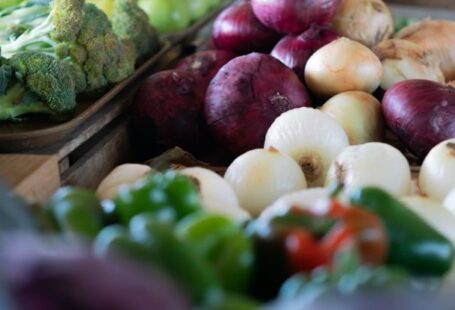
As concerns over environmental sustainability and food ethics have grown, there has been a resurgence of interest in traditional and locally sourced ingredients. The farm-to-table movement, for example, emphasizes the importance of fresh, seasonal, and locally grown produce in cooking. This trend towards sustainable and ethical food practices is reshaping culinary traditions and influencing the way people think about food and its impact on the planet.
The Future of Culinary Traditions
As we look to the future, it is clear that culinary traditions will continue to evolve in response to changing tastes, preferences, and values. The rise of technology, social media, and food tourism is likely to further shape the way we cook, eat, and experience food. However, amidst all the changes and innovations, it is essential to preserve and celebrate the rich tapestry of culinary traditions that have been passed down through generations. By honoring the past while embracing the future, we can ensure that culinary traditions remain a vibrant and integral part of human culture for generations to come.
In conclusion, the evolution of culinary traditions over the centuries is a testament to the resilience and creativity of human societies. From ancient origins to modern innovations, culinary traditions have been shaped by a complex interplay of historical, cultural, and technological factors. By understanding and appreciating the diverse culinary heritage that has been handed down to us, we can continue to explore, experiment, and celebrate the rich tapestry of flavors and traditions that make food an essential part of our shared human experience.