When it comes to planning a perfect meal, using seasonal produce can make a significant difference in both taste and nutrition. Seasonal fruits and vegetables are not only fresher and more flavorful but also packed with essential nutrients that our bodies need. Incorporating seasonal produce into your meals can elevate the overall dining experience and help support local farmers. In this article, we will explore how to plan a perfect meal with seasonal produce, from selecting the best ingredients to creating a well-balanced menu that celebrates the flavors of each season.
Choosing the Right Seasonal Produce
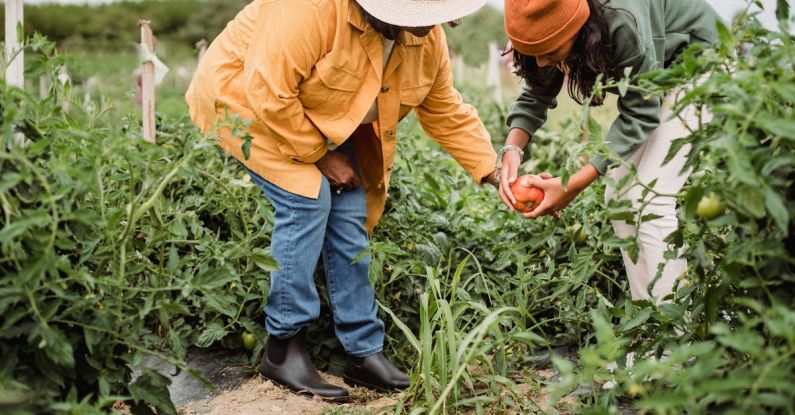
The first step in planning a perfect meal with seasonal produce is to choose the right ingredients. Seasonal produce varies depending on the time of year, so it’s essential to be aware of what fruits and vegetables are in season in your region. Visiting local farmers’ markets or grocery stores that source from nearby farms can help you identify the freshest seasonal produce available.
When selecting seasonal produce, look for fruits and vegetables that are vibrant in color, firm to the touch, and have a pleasant aroma. These are indicators of freshness and flavor. Consider incorporating a mix of different colors and textures to create visually appealing dishes that are also rich in nutrients.
Creating a Seasonal Menu
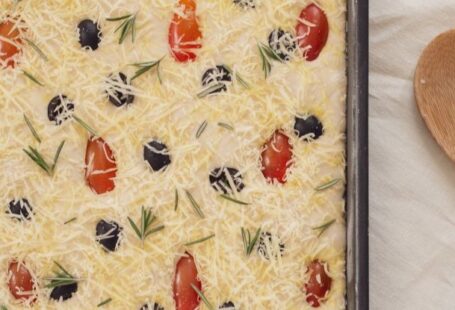
Once you have selected your seasonal produce, it’s time to create a menu that highlights the flavors of the season. Start by choosing a theme or cuisine style that complements the seasonal ingredients you have on hand. For example, if you have an abundance of summer tomatoes and basil, you could plan a Mediterranean-inspired menu featuring dishes like Caprese salad, bruschetta, and grilled fish with tomato salsa.
When planning your menu, aim to include a balance of flavors, textures, and colors to create a well-rounded dining experience. Consider incorporating a mix of raw, cooked, and preserved seasonal produce to showcase their versatility. Don’t be afraid to experiment with different cooking techniques and flavor combinations to bring out the best in each ingredient.
Pairing Seasonal Produce with Protein and Grains
To create a satisfying and balanced meal, it’s essential to pair your seasonal produce with protein sources such as meat, poultry, fish, legumes, or tofu, as well as whole grains like quinoa, brown rice, or whole-wheat pasta. Protein and grains help provide satiety and energy, while seasonal produce adds freshness and flavor to the dish.
When choosing protein sources, opt for lean cuts of meat, fresh seafood, or plant-based options to keep your meal light and nutritious. Consider marinating or seasoning proteins with herbs and spices that complement the seasonal produce for a cohesive flavor profile.
Incorporating whole grains into your meal adds fiber, vitamins, and minerals, making it a wholesome choice for a well-rounded dish. Experiment with different grains like farro, barley, or bulgur to add variety and texture to your meal.
Celebrating the Season
Planning a perfect meal with seasonal produce is not just about the food—it’s also about celebrating the season and the abundance of flavors it brings. Consider setting a beautiful table with seasonal decorations like fresh flowers, colorful napkins, and candles to create a festive atmosphere.
Invite friends and family to share in the experience of enjoying a meal made with love and care using the best ingredients of the season. Engage in conversation about the flavors and textures of the dishes, and savor each bite as you appreciate the effort that went into planning and preparing the meal.
Embracing the benefits of seasonal produce can elevate your culinary skills and inspire you to create delicious and nutritious meals year-round. By choosing the freshest ingredients, creating a well-balanced menu, and celebrating the flavors of each season, you can plan a perfect meal that delights the senses and nourishes the body. So next time you’re planning a meal, remember to embrace the beauty of seasonal produce and let it guide your culinary creations.