In the ever-evolving world of culinary arts, there are some time-honored cooking practices that have stood the test of time. These traditional methods have been passed down through generations and continue to be utilized in kitchens around the globe. From slow cooking to fermenting, these techniques not only bring out the flavors in dishes but also add a depth of complexity that is hard to achieve with modern cooking methods. Let’s explore some of these enduring practices that are still cherished by chefs and home cooks alike.
Slow Cooking: Bringing out the Best Flavors
One of the oldest cooking practices that is still widely used today is slow cooking. This method involves cooking food at a low temperature for an extended period, allowing the flavors to meld together and develop rich, complex tastes. Slow cooking not only tenderizes tough cuts of meat but also brings out the natural sweetness of vegetables. From braising to simmering, this technique is perfect for creating hearty stews, soups, and roasts that are packed with flavor.
Fermentation: Preserving and Enhancing Flavors
Fermentation is another ancient cooking practice that is making a comeback in modern kitchens. This process involves the breakdown of sugars and starches in food by bacteria and yeast, resulting in the production of lactic acid, alcohol, and other compounds that give fermented foods their distinctive flavors. From sauerkraut to kimchi, fermented foods not only have a unique tangy taste but also boast probiotic benefits that are good for gut health. Fermentation is not only a method of preservation but also a way to enhance the flavors of ingredients, creating a depth of taste that is unmatched by any other cooking technique.
Grilling: Timeless Technique for Intense Flavors
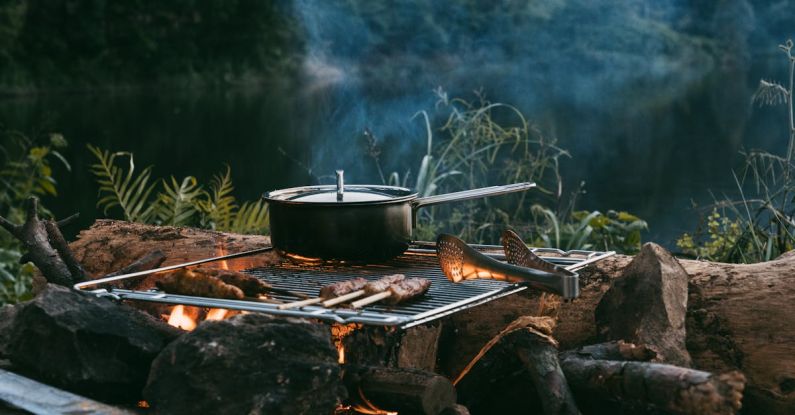
Grilling is a cooking technique that has been practiced for centuries and continues to be a favorite way to cook meats, seafood, and vegetables. The direct heat from the grill imparts a smoky flavor to the food, creating a charred exterior and juicy interior that is hard to replicate with other cooking methods. Whether using charcoal, gas, or wood, grilling is a versatile technique that can be used to cook everything from steaks to kebabs to grilled vegetables. The high heat of the grill caramelizes the sugars in the food, creating a delicious sear that adds depth and complexity to the dish.
Preserving: Honoring Seasonal Ingredients
Preserving is a cooking practice that has been used for centuries to extend the shelf life of seasonal ingredients. From canning to pickling to drying, preserving allows cooks to enjoy the flavors of fruits, vegetables, and meats long after their peak season. By capturing the freshness of ingredients at their peak, preserving techniques like jams, chutneys, and cured meats not only prevent food waste but also provide a taste of summer or fall in the middle of winter. Preserving is a way to honor the bounty of each season and savor the flavors of nature year-round.
Reviving Old-world Techniques: A Culinary Renaissance
In recent years, there has been a resurgence of interest in old-world cooking techniques as chefs and home cooks rediscover the joys of slow food and traditional methods. From sourdough bread baking to cheese making to charcuterie, these time-honored practices are being embraced for their ability to create unique flavors and connect us to our culinary heritage. As we look to the past for inspiration, we are also paving the way for a more sustainable and mindful approach to cooking that values quality over quantity and tradition over trends.
In conclusion, the time-honored cooking practices that have been passed down through generations continue to hold a special place in the hearts of chefs and food enthusiasts. From slow cooking to fermentation to grilling, these techniques not only bring out the best flavors in ingredients but also connect us to our culinary roots. As we embrace these traditional methods in our modern kitchens, we are not only preserving the past but also creating a more flavorful future for generations to come.