
Throughout history, the way we eat has been influenced by a myriad of events that have shaped our current eating habits. From ancient civilizations to modern times, various factors have played a significant role in determining what, when, and how we consume food. Understanding these historical events can provide valuable insights into why we eat the way we do today.
Early Agricultural Revolution
The transition from a nomadic hunting and gathering lifestyle to settled agricultural communities marked a pivotal moment in human history. The Agricultural Revolution, which began around 10,000 years ago, led to the domestication of plants and animals, allowing for a more reliable food supply. With the advent of agriculture, societies were able to produce surplus food, leading to the development of trade networks and the establishment of permanent settlements. This shift towards agriculture laid the foundation for our current eating habits by introducing staples such as grains, fruits, and vegetables into our diets.
Colonialism and the Columbian Exchange
The Age of Exploration and the subsequent era of colonialism brought together cultures from around the world, resulting in the exchange of goods, ideas, and culinary traditions. The Columbian Exchange, named after Christopher Columbus, facilitated the transfer of plants, animals, and diseases between the Old and New Worlds. This exchange had a profound impact on global cuisine, with foods such as potatoes, tomatoes, corn, and cocoa being introduced to Europe, while coffee, sugar, and citrus fruits made their way to the Americas. The fusion of ingredients from different continents transformed the way people ate and laid the groundwork for the diverse culinary landscape we see today.
Industrial Revolution and Food Processing
The Industrial Revolution, which began in the late 18th century, brought about significant changes in food production, distribution, and consumption. Advances in technology led to the mechanization of agriculture, making it possible to produce food on a larger scale. The invention of food processing techniques, such as canning, pasteurization, and refrigeration, extended the shelf life of perishable foods and allowed for mass production. Processed foods became more accessible and affordable, shaping the modern diet by introducing convenience foods and packaged goods into everyday consumption patterns.
World Wars and Rationing
The turbulent periods of World War I and World War II had a profound impact on eating habits due to food shortages and rationing. Governments implemented rationing programs to ensure equitable distribution of scarce resources, leading to changes in dietary patterns and food preferences. People had to make do with limited supplies of staples like meat, sugar, and fats, which forced them to adopt new eating habits and explore alternative sources of nutrition. The experience of rationing during wartime influenced post-war attitudes towards food and consumption, emphasizing the importance of resourcefulness and sustainability in food practices.
Fast Food and Globalization
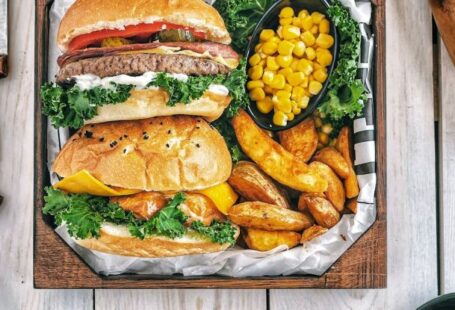
The rise of fast food chains in the mid-20th century revolutionized the way people eat by offering convenient, affordable, and standardized meals. The globalization of fast food brands like McDonald’s and KFC spread American-style fast food around the world, homogenizing food cultures and influencing eating habits across different countries. Fast food became synonymous with modern living, shaping consumer preferences for quick, on-the-go meals that prioritize convenience over traditional home-cooked dishes. This shift towards fast food has had far-reaching consequences on public health, contributing to the rise of diet-related diseases and obesity in many societies.
The Future of Food
As we look towards the future, it is essential to consider how historical events have shaped our current eating habits and what this means for the way we eat in the years to come. The challenges of climate change, population growth, and food insecurity require us to rethink our food systems and make sustainable choices that prioritize health, equity, and environmental stewardship. By understanding the historical forces that have influenced our diets, we can make more informed decisions about the food we eat and its impact on our lives and the world around us.
In conclusion, our current eating habits are the result of a complex interplay of historical events that have shaped the way we grow, produce, distribute, and consume food. From the Agricultural Revolution to the age of globalization, each era has left its mark on our diets, influencing what we eat and how we eat it. By reflecting on these historical influences, we can gain a deeper appreciation for the role of food in our lives and work towards creating a more sustainable and equitable food future.